
People’s Guide to Preserving Undervalued Sites of Historical Significance.
This toolkit enables users to unpack historical legacies and their relevance to current societal conflicts, with a specific focus on the unique circumstances surrounding the underlying histories of 'undervalued' sites.
It will further impact communities and future generations by creating a new and equitable approach to preservation.
The Institute for History and Healing wishes to thank Northeastern University's School of Public Policy and Urban Affairs for developing this "People's Guide" in cooperation with the Institute's Board. Northeastern's graduate program requires students to complete a Capstone, a research-based project, in which students apply core training and specialized skills through community immersion. This project is the work of:
Nicole Howard - Master of Public Policy
Anna Ibru - Master of Public Policy
Catrina Schick - Master of Urban Planning & Policy
Sarah Sharpe - Master of Public Administration
Public Policy
In order to understand the existing scope regarding the preservation of undervalued sites, it is necessary to examine the existing policies that have been put in place to help preserve historic property, as well as policy recommendations that provide the tools to improve preservation efforts going forward.
National Historic Preservation Act of 1965
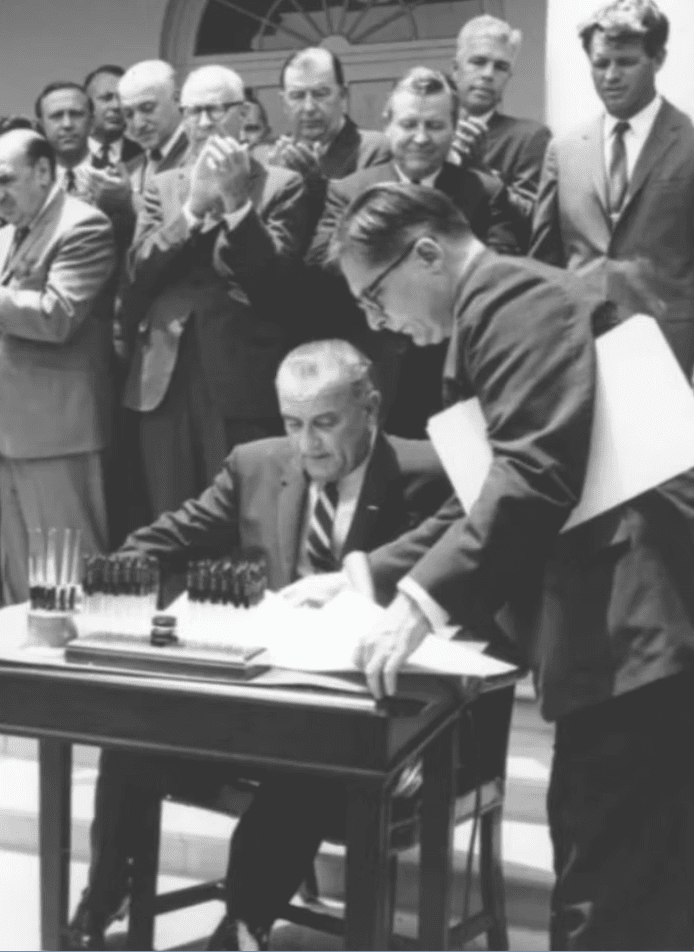
In post-WWII America, President Eisenhower signed the Federal Aid Highway Act of 1956, establishing the interstate highway system. The construction of roadways led to the destruction of many historic sites. In an effort to rejuvenate cities across the country, the Urban Renewal Program was initiated by President John F. Kennedy. As part of this program, urban planners and developers demolished buildings in disrepair, particularly in areas that were heavily populated by low-income residents. This was to allow for the post-war population boom and the rapid manufacturing of cars. This practice wiped out entire neighborhoods and sections of many urban areas, erasing the physical evidence of entire periods of history. To counter this movement, a committee was convened in 1965 by President Lyndon Johnson. The committee’s 1966 report With Heritage So Rich identified only half of the previously recorded 12,000 historic buildings in the United States remained intact. Based on these findings, Congress passed the National Historic Preservation Act of 1966.
Rural African American Heritage
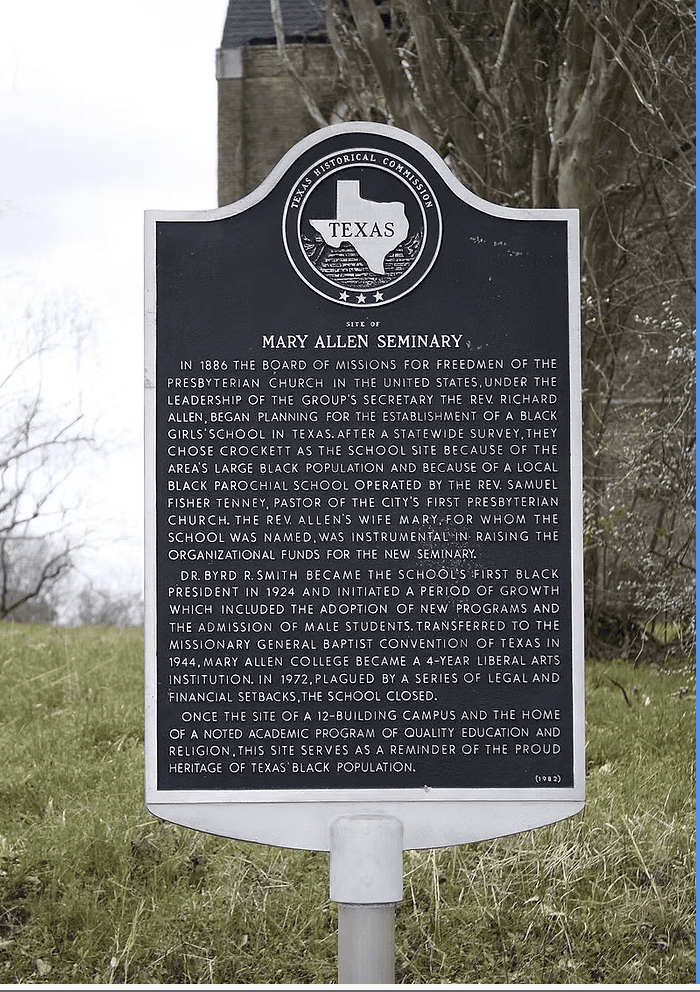
Preservation Texas, in conjunction with the Texas Historical Commission, created the Texas Rural African-American Heritage Grants to provide funding directly to the most endangered historic places in our state: rural African-American historic buildings. The program is an outgrowth of our Most Endangered Places list, established in 2004, that provides public awareness about endangered buildings across Texas but did not provide funding. Per the requirements of the National Park Service, all eligible buildings must be located in a rural community (defined as having a population under 50,000) and listed on the National Register of Historic Places prior to the completion of the project.
Federal Policy
Current policy under the federal government was initially signed into law in the 1960s, but has been updated many times over the last 50+ years. Our research team reviewed the policies listed on this page as well as many state and local policies and ordinances. This list is not exhaustive, but does highlight some of the more consistent policy related to historic preservation. On our Policy Recommendations tab, you will find the team's suggested policy updates that provide undervalued and underrepresented communities equitable opportunities in historic preservation.National Historic Preservation Act of 1965The National Historic Preservation Act of 1966 contained 3 major initiatives:
Advisory Council on Historic Preservation is made up of 23 public & private sector members. The role of the Council is to provide information to the President and Congress on preservation issues, to make policy recommendations and handle conflicts, and participate in the Section 106 review process.
Section 106 of the NHPA requires that each federal agency identify and assess the effects its actions may have on historic buildings. Under Section 106, each federal agency must consider public views and concerns about historic preservation issues when making final project decisions.
National Register of Historic Places: must meet at least one of four criteria (inclusion on this register makes sites eligible for grants, loans, and tax incentives, but does not automatically protect them from damage or destruction)
Criterion A, "Event", the property must make a contribution to the major pattern of American history.
Criterion B, "Person", is associated with significant people of the American past.
Criterion C, "Design/Construction", concerns the distinctive characteristics of the building by its architecture and construction, including having great artistic value or being the work of a master.
Criterion D, "Information potential", is satisfied if the property has yielded or may be likely to yield information important to prehistory or history
State Historic Preservation Office and Officer: coordinates statewide inventory of historic properties and can nominate sites to the National Register. Must also maintain a statewide preservation plan, and advise and educate local residents. Each state has this office, plus the District of Columbia, U.S. Territories (American Samoa, Commonwealth of the Northern Mariana Islands, Commonwealth of Puerto Rico, Guam, US Virgin Islands), and Freely Associated States (the Federated States of Micronesia, Republic of the Marshall Islands, Republic of Palau). Indigenous communities also have a Tribal Historic Preservation Officer, designated by the tribe, with the same function of the SHPO on tribal lands.
The NHPA of 1966 mandated that each SHPO must conduct a review and update statewide historic preservation plans every 10 years. This process, which can take up to 2 years, includes input from the public and private sectors, as well as individuals and community groups. The state plans are required to meet minimum requirements set forth by the Secretary of the Interior that meet consistent nationwide goals.
Archaeological Resources Protection Act of 1979This is a federal law that was passed to protect the archaeological resources on federal and tribal lands. It was enacted to protect these resources for the benefit of all Americans. The Act includes provisions on removal and disposition of artifacts.The Secretary of the Interior'sStandards for the Treatment of Historic PropertiesWith Guidelines for Preserving, Rehabilitating, Restoring,and Reconstructing Historic BuildingsThis updated version of the standards, originally codified in 1995, was released in 2016. In 2010, as the National Park Service approached its centennial anniversary, it announced a plan to examine procedures, guidelines, and standards within all programs to chart their path for the next 100 years. This updated document was part of that process. It includes an introduction and a chapter on each of the four types of projects: preservation, rehabilitation, restoration, and reconstruction of historic properties.Native American Graves Protectionand Repatriation Act of 1990The Native American Graves Protection and Repatriation Act (NAGPRA) was passed in 1990. This law stipulates the procedure for returning, or repatriating, cultural items to indigenous Americans, including human remains, funerary objects, sacred objects, or objects of cultural patrimony. Noncompliance and illegal trafficking are also penalized under this act.The National Park Service: What is historic preservation and how does this agency support it?The NPS employs archeologists, architects, curators, historians, landscape architects, and other cultural resource professionals who work both within national parks and outside of the system to preserve the past for future generations. The NPS believes preservation includes, “celebrating events, people, places, and ideas that we are proud of; other times it involves recognizing moments in our history that can be painful or uncomfortable to remember.”
Land Use and Zoning
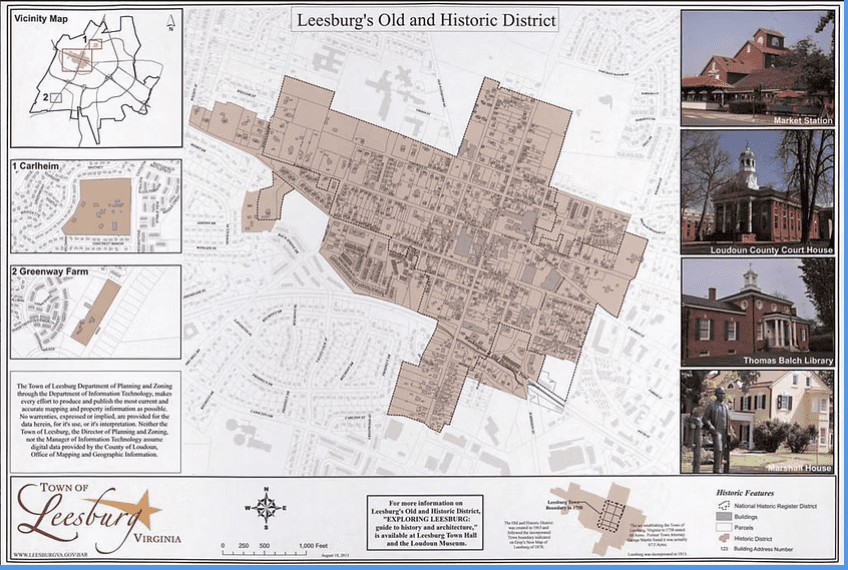
Land Use and Zoning In preservation efforts, zoning and land use ordinances can be a helpful and regulatory way to ensure sites of historic significance are preserved and recognized. Each comprehensive zoning plan should have a historic preservation component combining historic districts and structure significance. Economic concerns (i.e. land value) arise for owners and developers where historic sites are subject to remodeling. While concerns can be valid, land use regulation incentives can be used to mitigate concerns and alleviate economic struggles related to preservation.Historic DistrictsA common way of zoning historic areas is through mapping contiguous properties and creating a historic district. These areas are typically used as an overlay district over existing zoning. Included in the district are specific boundaries, guidelines for changing the site, historic narrative, and criteria for a board to review and approve applications. However, boundaries can pose challenges in establishing a district when lot lines and vacant parcels are mixed within designated buildings. In this case, the zoning works around areas of uncertainty.When attempting to alter a structure in a historic district, a specified process must follow.Changing a historic place most commonly occurs when the upkeep or function of a historic property is no longer realistic. For example, a large single-family home could be split into smaller units. This requires a modification to district density standards or using special rules available to historic districts. However, it maintains historic dignity while continuing to serve a function. The only acceptable reason for demolishing the structure is if it is deemed unsafe for habitation and the cost of restoration would be so high, the owner would not restore it, leading to continued degradation.
Establishing a Historic District
The Massachusetts zoning ordinance chapter 40C establishes historic districts across the state. The purpose is to “promote eat educational, cultural, economic, and general welfare” by the preservation of buildings and places with significance to Massachusetts history. In order to establish a historic district, local government meetings and votes take place. The district then undergoes an investigation to gather historic information and the significance of the specific sites. Each district holds a commission of three to seven people who review applications for changes to structural alterations. They also have the ability to prevent demolitions when possible and prevent inappropriate changes.
Underrepresented History
The importance of place
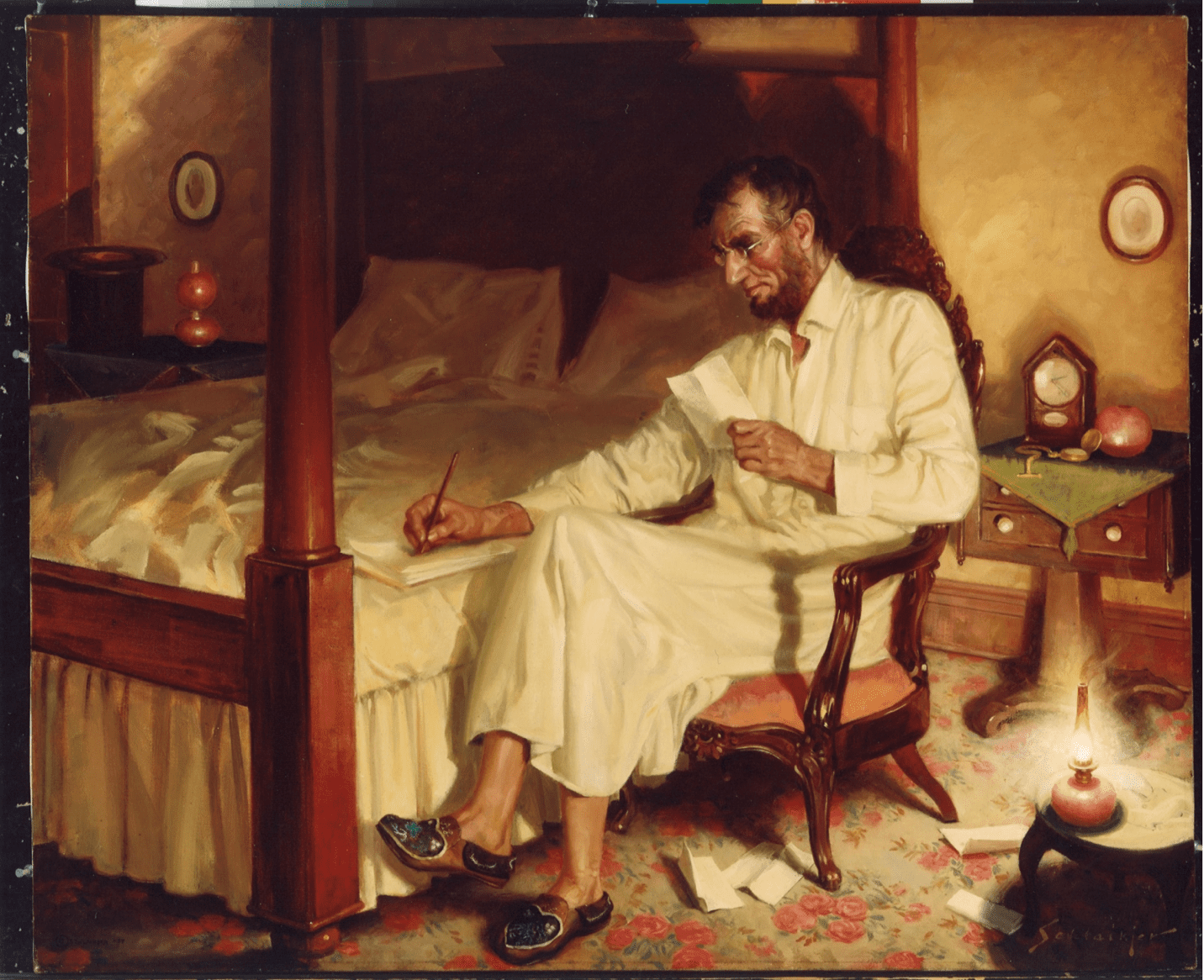
Lincoln’s Cottage: This site’s newer approach to engaging visitors in the story of slavery and emancipation encourages them to think about connections between past and present. Their focus on educating young visitors is propelled by an understanding that the youth are the next defenders of human rights. The site’s education program is grounded in Philadelphia Female Anti-Slavery Society member Hannah Townesnd's 1846 pamphlet, the Anti-Slavery Alphabet, which was created to explain the horrors of slavery to the children of that era. Staff at the site also focus on PLACE, welcoming students (school groups) into the room where Lincoln drafted the Emancipation Proclamation, offering them a safe space to grapple with their thoughts about racially charged violence in their own hometowns. Being in that PLACE grounded their conversation in hope, optimism, and responsibility.
It is important to address the underlying or hidden stories of all historic sites through the proper means of education. All visitors’ lived experiences are different, thus their background and understanding (which leads to their willingness to digest and accept “new” information) must be taken into consideration in developing new programs and educational experiences. This does not mean that information should be watered down, but instead approached in a way (and by docents/educators/curators who speak confidently in this context) that engages visitors in reflective discussion and provides space for them to reconcile “new” information with what they previously knew.
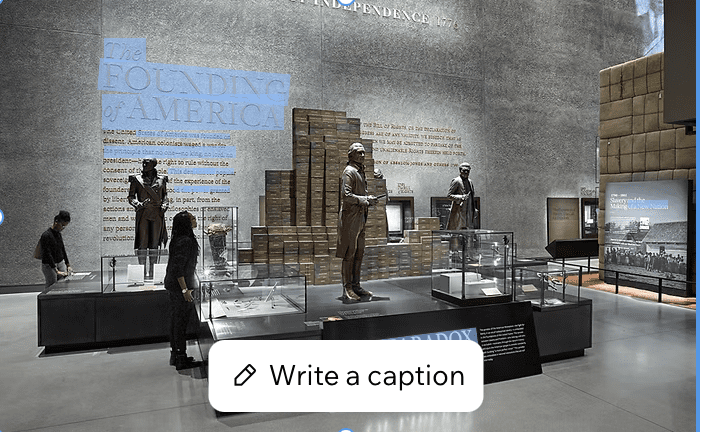
The Smithsonian’s exhibit detailing the history of slavery in the U.S. is the most popular area of the National Museum for African American History and Culture, indicating visitors’ desire to learn more than their school education provided. Often, lessons about slavery are subtopics, when they should be incorporated into every angle of American history. This idea carries over to museums and historical sites. Understanding slavery’s role throughout history is critical for understanding it’s legacy in economics, politics, and education.
Weaving undertold stories into history lessons
Often, lessons about slavery are subtopics, when they should be incorporated into every angle of American history. This idea carries over to museums and historical sites. Understanding slavery’s role throughout history is critical for understanding its legacy in economics, politics, and education.
Creating safe spaces for education and reflection
Mount Vernon: Recognizing that visitors to the site will come with diverse background information, curators at Mt. Vernon rely heavily on primary sources that provide multiple perspectives, as well as a way to relate this history to current issues faced by society.
A memorial to the enslaved people of Mt. Vernon, installed in 1983 at the burial grounds. Public Domain.
Most importantly, curators and docents provide a space for visitors to reflect and reconcile. Guests are finding the new tours and exhibits to bring the space to life in a way that allows them to connect concretely to the history of enslavement in America. The site also includes programs for educators to learn about teaching race in the classroom. Their approach traces racial violence in reverse, from the Charleston, SC church shooting in 2015 to the Middle Passage.
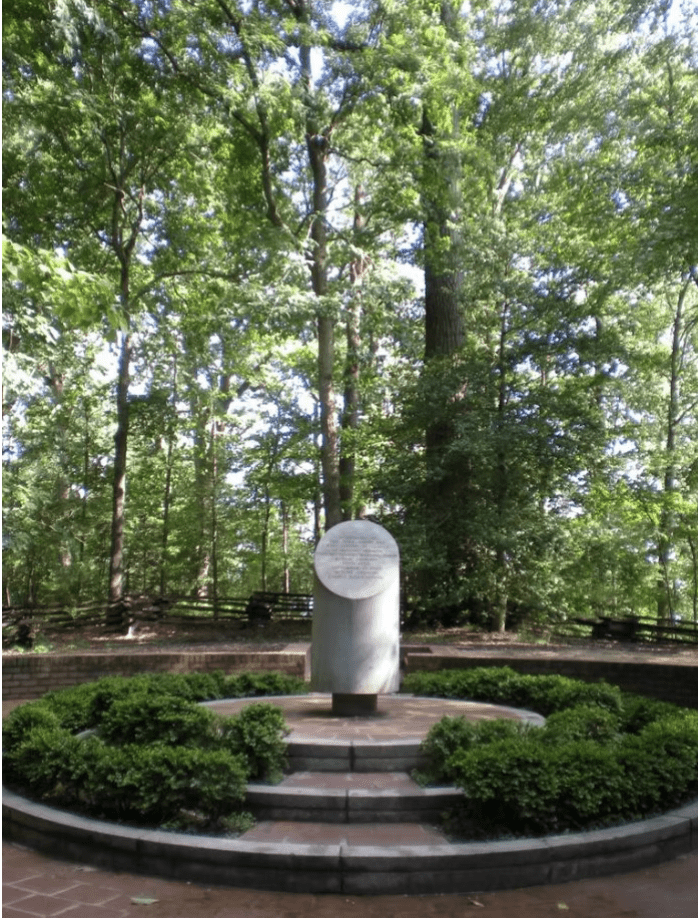
A memorial to the enslaved people of Mt. Vernon, installed in 1983 at the burial grounds. Public Domain.
Cultural Responsibility
As preservationists work to uncover significant histories, cultural sensitivity and responsibility are key factors. Preservationists may not have a cultural understanding of the historical significance of the work. They must be respectful and responsive to current communities that may have a stake in the project. Involvement of the current communities will help lead to the most representative and true description of history.
The Nicodemus study is a prime example of the need for responsible preservation. In Nicodemus, the National Park Service intervened with their own employees and sought involvement from locals. Local involvement was found to be scarce and the results were clear. The National Historic Sites policy implemented by the NPS was found to be more harmful than beneficial for Nicodemus. A combination of factors contributes to the harm, including employee transfer policies. This allows NPS employees to transfer to new locations to work on projects. The turnover was harmful to the preservation project as the employees did not have a true understanding or investment in Nicodemus (Adams, 2016).
Seattle's Harmful "Preservation"
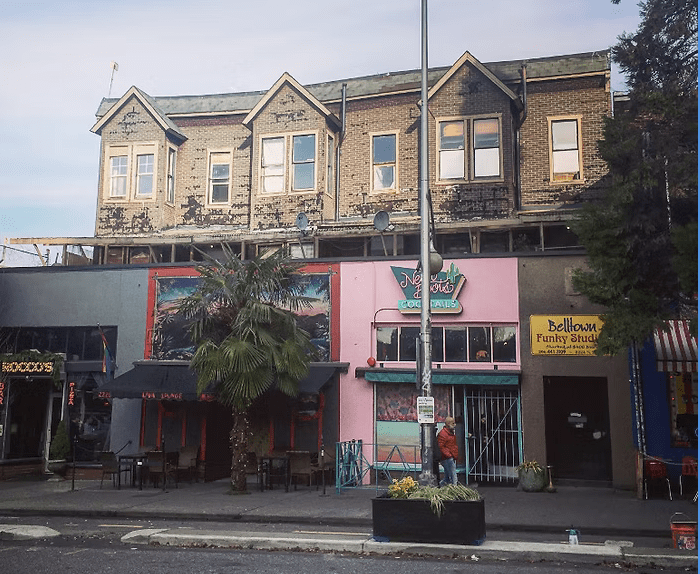
As we know, historic properties are subject to rights given by the municipality. In turn, some people have taken advantage of those rights to limit what can be built in the area. Seattle has seen repeated instances of the blatant dismissal of affordable housing. With a need for more (and affordable) housing, a developer proposed a 200 unit development at the site of an old parking garage. The proposal was shut down as it was believed to draw attention away from the surrounding historic buildings. Instead, the former parking garage was sold to a different developer with plans of creating an office building. In this case, the claim of historic value was used to prevent "unsatisfactory" developments that would alter the neighborhood.
Traditional Conservation Practices in Africa
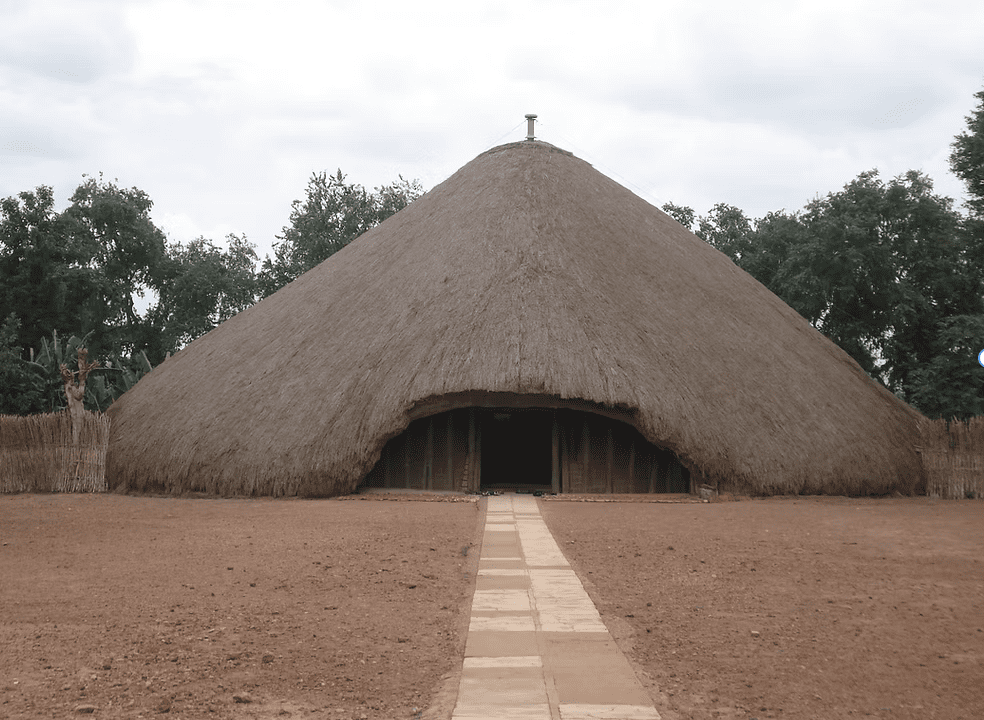
This book, which was published by ICCROM (International Center for the Study of the Preservation and Restoration of Cultural Property), covers instances of immovable Cultural Heritage Conservation in different countries across Sub-Saharan Africa. It showcases conservation skills that have been developed across centuries by Africans while highlighting the need for professionals to integrate these types of context-specific practices when developing future conservation strategies that are culturally responsible.
Architectural Preservation and Adaptive Use
Architectural preservation can be viewed as the prevention of the destruction and
degradation of architecture. In regard to Adaptive use, this has to do with the reusing of buildings that are existing, whether historic or otherwise, for purposes other than they had been originally indented.
Aside from government-implemented policies and work with affiliated organizations to facilitate preservation efforts, independent organizations also assist with the facilitation of architectural preservation and adaptive use efforts.
Frank Lloyd Wright Building Conservancy
In a number of cases whereby architectural preservation and adaptive use efforts have been implemented, the building's original identity is maintained to a large extent. An example of this can be observed regarding the Frank Lloyd Wright Building Conservancy. This organization facilitates the stewardship and preservation of the built work of the late American architect, Frank Lloyd Wright, by means of education, advocacy, and technical services. Their goal is to ensure thFrankat the remains of this late architect’s built work are preserved and valued as a relevant aspect of cultural, artistic, and architectural heritage.

Glossary
Architecture: The art and the process of designing and constructing buildings, as well as other structures. It is also used as a descriptor for buildings and structures.
Colonial Bungalow: A kind of residential building typology that originated by the hybridization of vernacular architectural influences from Southeast Asia with that of British nostalgic design elements and techniques. It was initially developed as a residential architectural style adopted by the British colonists during its colonial era.
Conservation: Keeping history alive and uncovering past stories.
Cultural Contestation: The process whereby values and meanings of social actions are disputed, rather than merely accepted, often referring to aspects of class struggle.
Cultural Landscape: An area with cultural and natural significance contributing to the area’s history or value.
Devalued: Failure to recognize the importance of something, whether willfully or subconsciously.
Favela: Communities in which individuals have spent decades investing in and building neighborhoods with scarce government service. Often associated with “informal settlement” “slum” or “shantytowns,” and carries a negative connotation.
Heritage: Items and ideals that are inherited. This can include cultural aspects such as beliefs, and physical property, such as historic buildings, town sites, and archaeological sites.
-ism: a suffix meaning “the act of prejudice”.
Ableism: the act of prejudice against disabled people.
Ageism: the act of prejudice against middle age and elderly people.
Racism: the act of prejudice based on race.
Sexism: the act of prejudice based on gender.
Monument: A physical structure marking where an event occurred or commemorating a history set in a different location.
Place: The idea of place has more to do with the physical structure; the soil where something occurred contributes to the importance of the site.
Placekeeping: engaging people who identify with a space and allowing them to participate in the preservation of artifacts and stories of political, military, social, and cultural importance.
Preservation: This has to do with protecting, maintaining, and ensuring continued existence.
Racial: groupings of humans based on physical characteristics or shared ancestry.
Sacred: a location evoking respect, creates a sense of renewal, or brings someone closer to something of personal importance.
Site: the physical location of pieces of political, military, social, or cultural items or events.
Sustainability: meeting current needs without compromising the needs of future generations.
Systemic Racism: Racism that is built into policies and laws, also known as institutional racism.
Transparent view of history: A historical explanation that does not configure or hide information.
Value: Providing importance of some sort
Vernacular Architecture: Architecture constructed outside any academic tradition, and without professional guidance.